Sightseeing Villas in Tuscany: A Timeless Way to Experience Italy
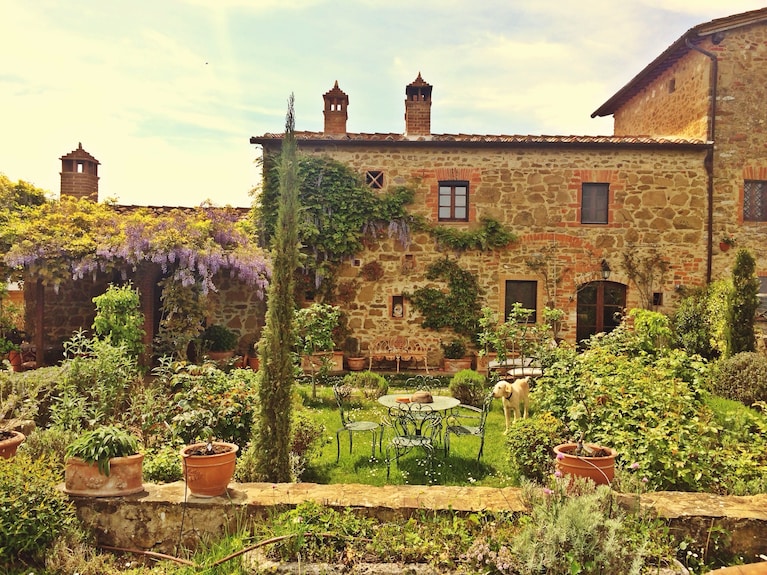
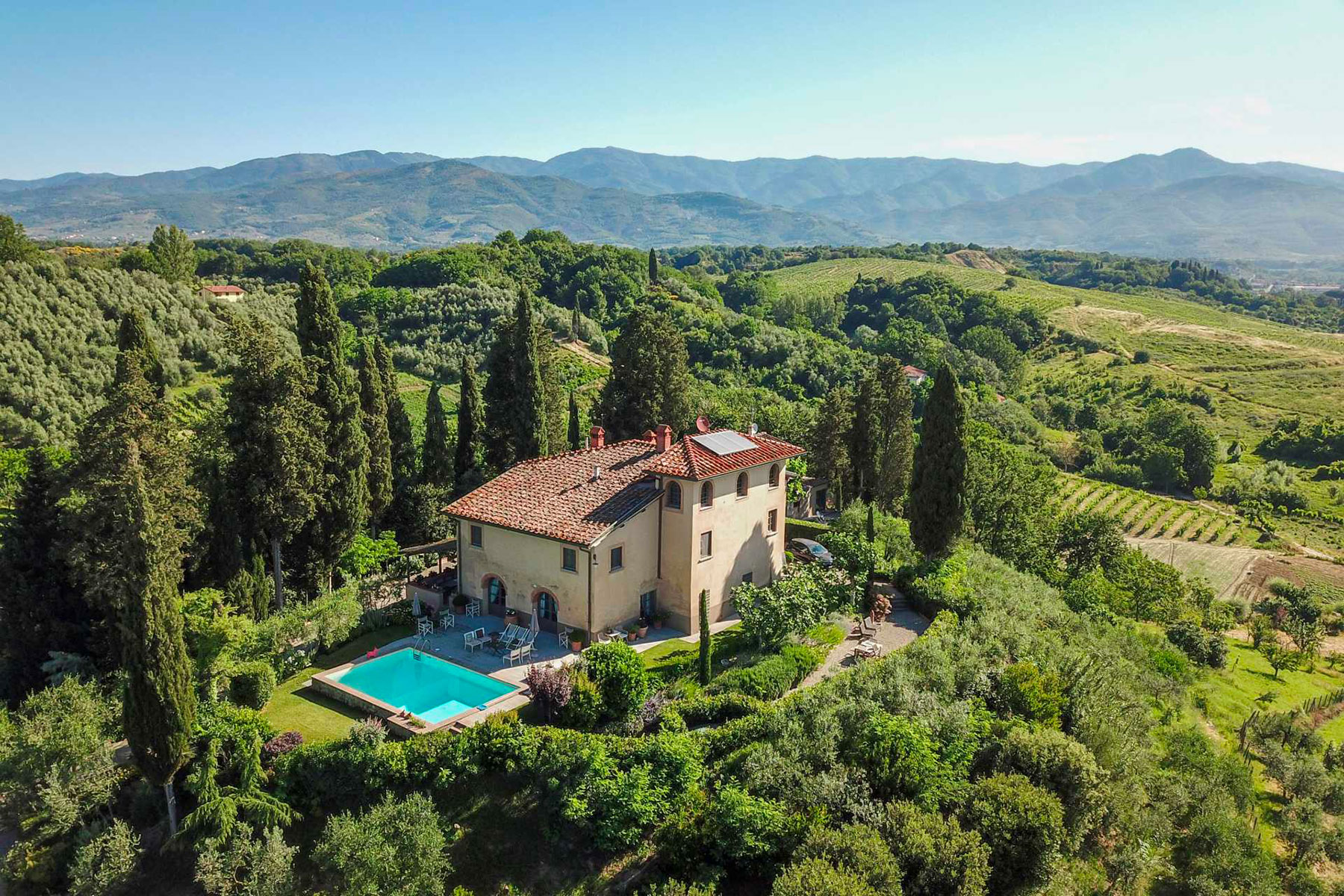
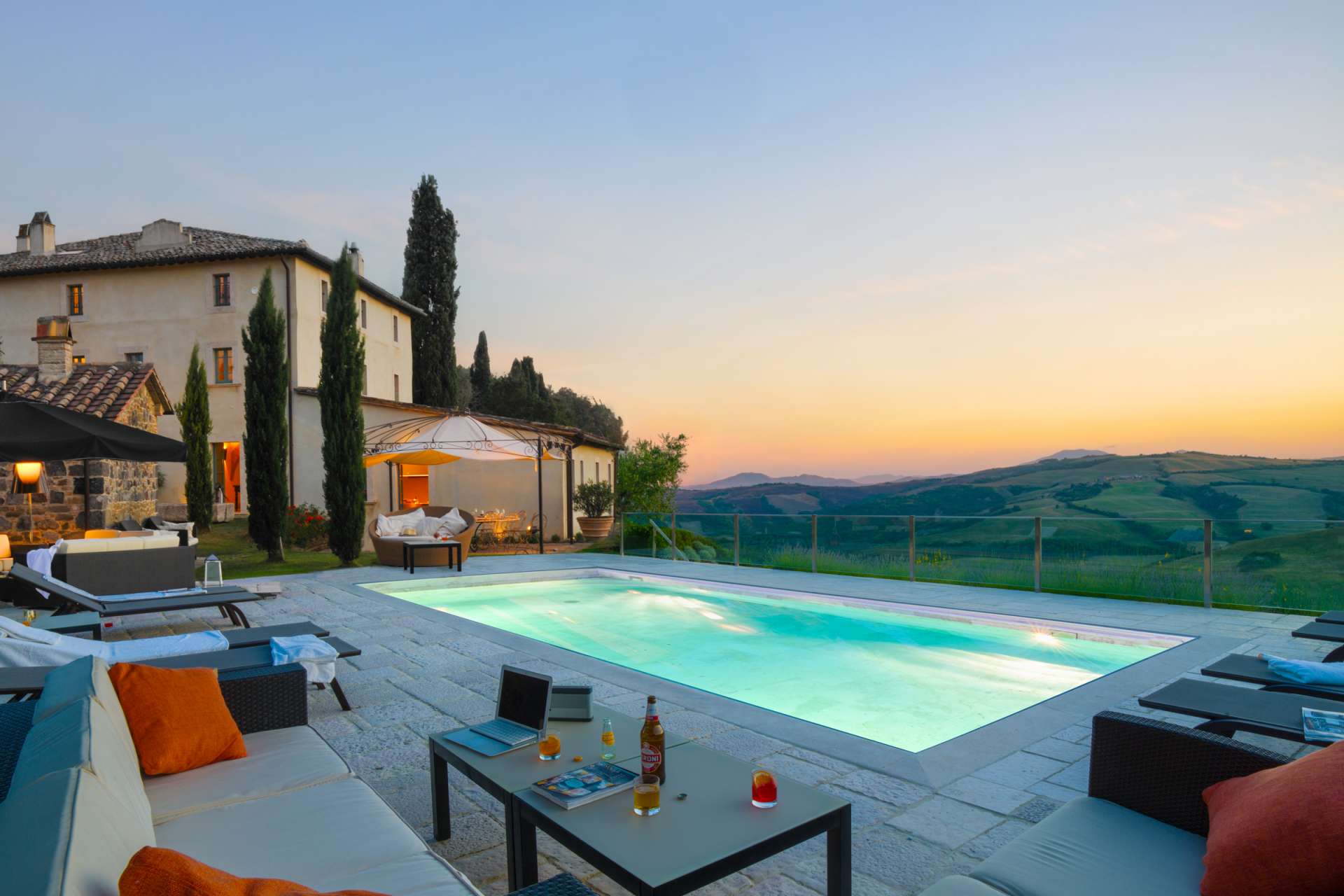
Sightseeing villas in Tuscany offer one of the most immersive ways to experience Italy’s most iconic region. Unlike hotels or short city stays, villas place you directly inside the landscape, culture, and rhythm of Tuscan life. Rolling hills, vineyards, olive groves, medieval villages, and Renaissance cities surround these properties, turning the villa itself into both a destination and a starting point for exploration.
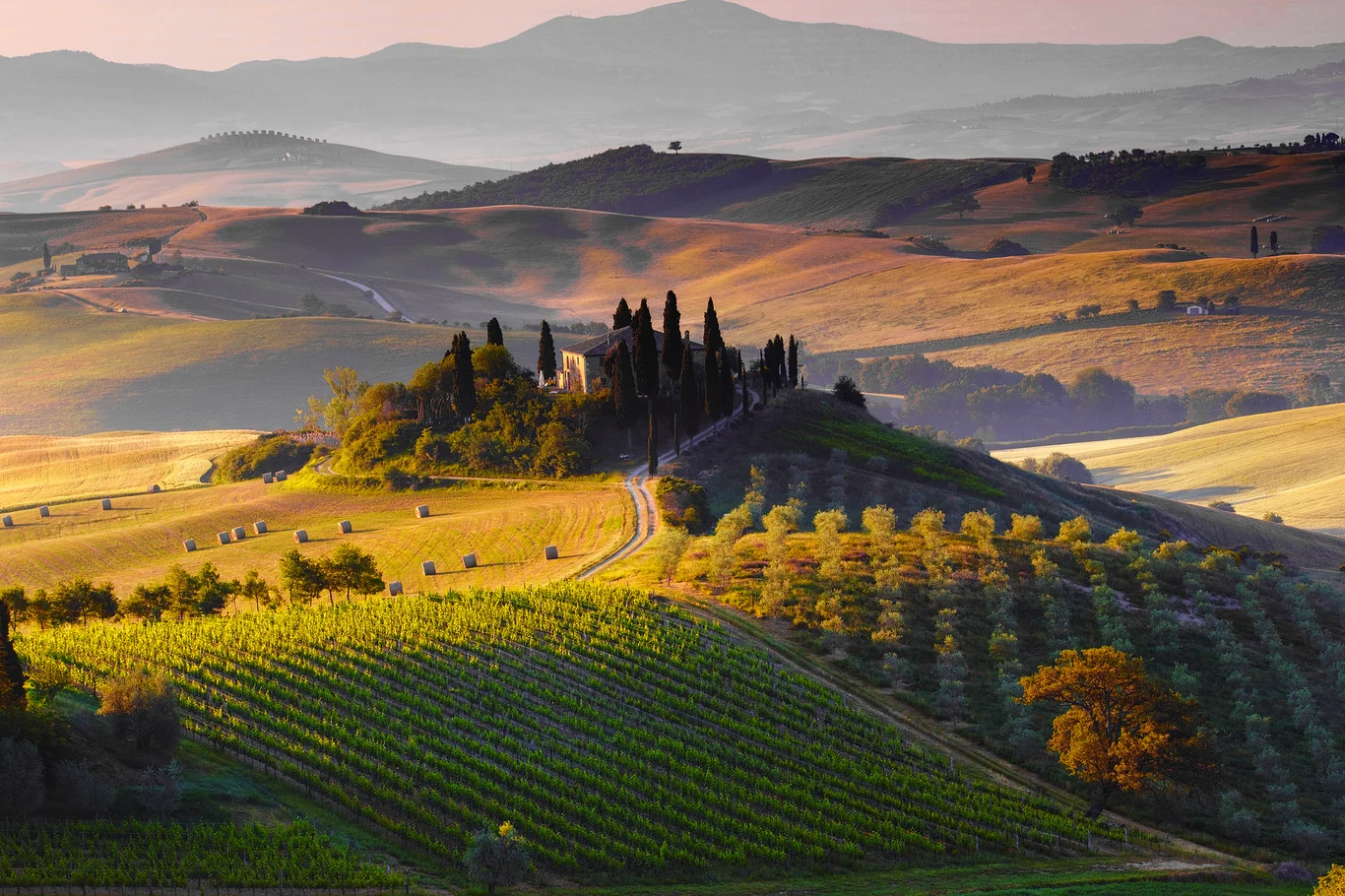
Tuscany’s appeal begins with its geography. The region stretches from the Apennine Mountains to the Tyrrhenian Sea, creating dramatic variation in scenery. Villas are often positioned on hilltops for historical and strategic reasons, which today translates into sweeping panoramic views across valleys, vineyards, and stone villages. Mornings in a Tuscan villa often begin with mist lifting off the hills, church bells echoing through the countryside, and sunlight tracing the curves of cypress-lined roads.


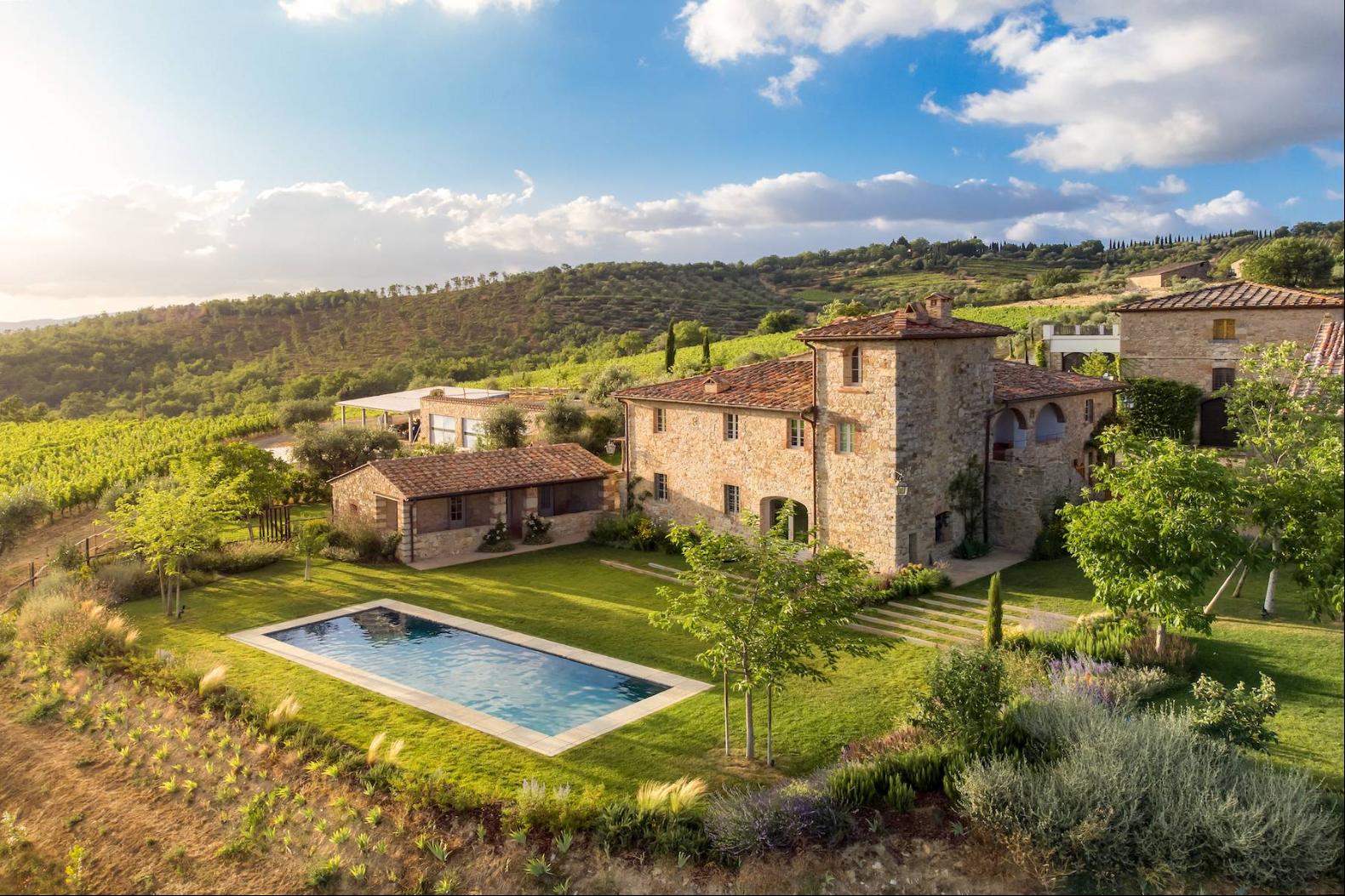
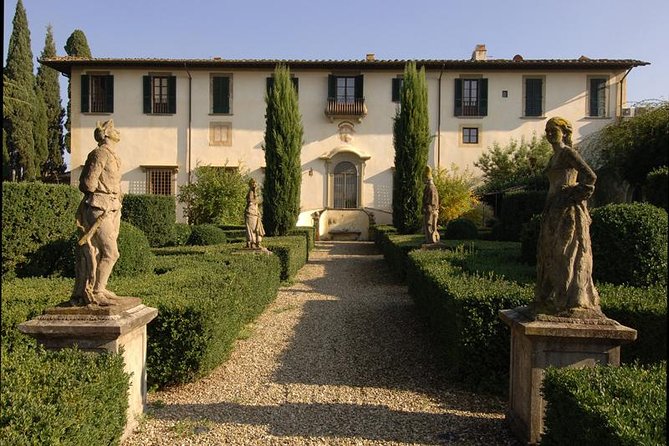
Many sightseeing villas are historic estates that have been carefully restored. Former farmhouses, monasteries, and noble residences retain original stone walls, terracotta floors, wooden beams, and traditional layouts, while integrating modern comforts such as fully equipped kitchens, climate control, landscaped gardens, and swimming pools. This balance of authenticity and comfort defines the Tuscan villa experience and sets it apart from standard accommodations.
Location plays a central role in sightseeing. Villas in the Chianti region, positioned between Florence and Siena, are ideal for wine-focused travel. From these properties, guests can explore vineyards, medieval castles, and hill towns during the day, then return to the peace and privacy of the countryside in the evening. The ability to enjoy famous destinations without staying directly in crowded centers is one of the major advantages of a villa stay.


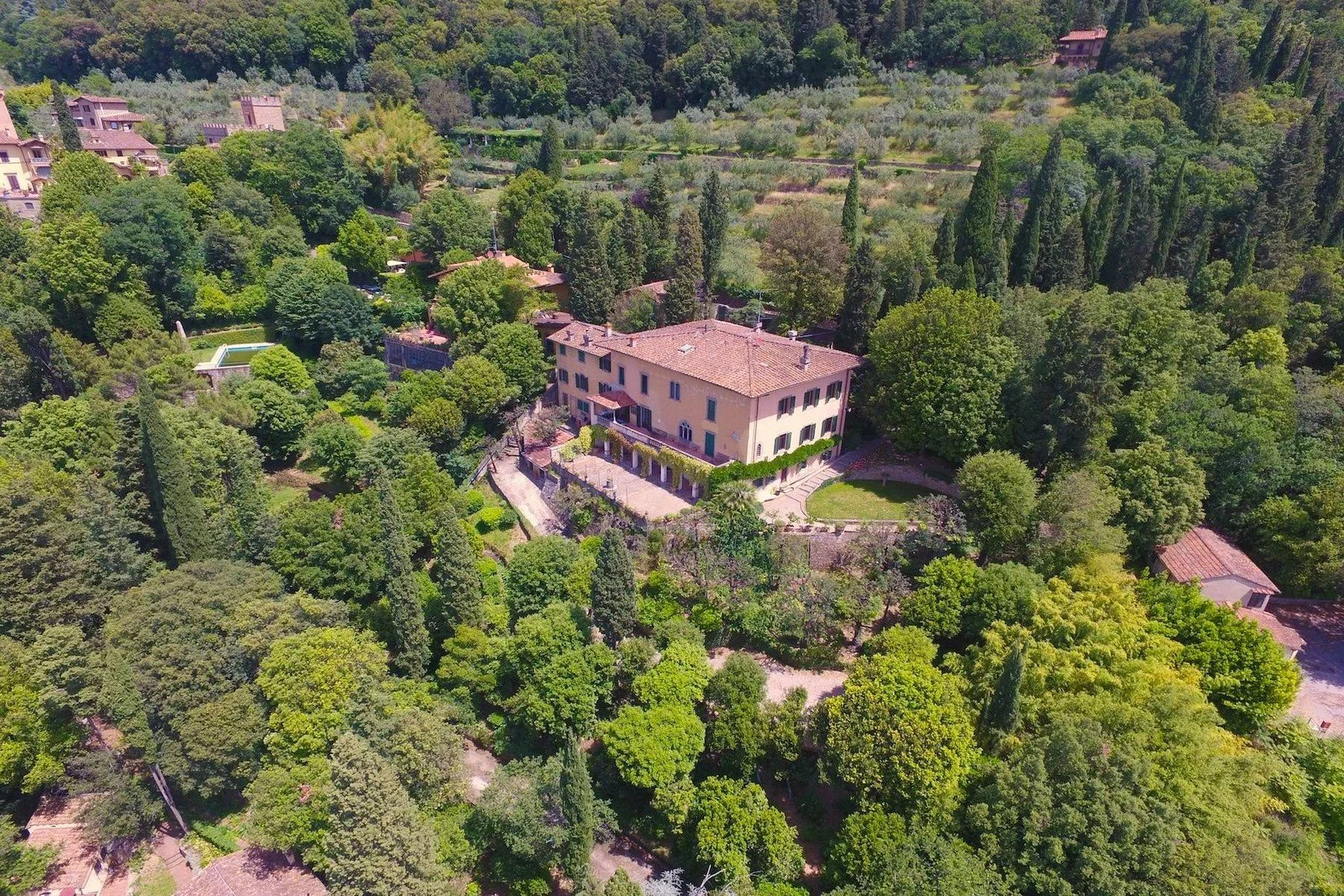
Villas near Florence combine rural tranquility with proximity to one of the world’s most culturally significant cities. Guests can spend mornings visiting museums, historic churches, and architectural landmarks, then retreat to the hills for afternoons by the pool or evenings dining outdoors. This contrast between artistic immersion and countryside calm is one of the most rewarding aspects of staying in a Tuscan villa.
Southern Tuscany offers a slower, more scenic approach to sightseeing. Villas near Siena and the Val d’Orcia region are surrounded by open landscapes, winding roads, and postcard-perfect views. Here, sightseeing is less about schedules and more about experience. Long drives through golden hills, visits to thermal baths, and unhurried meals in small villages define the rhythm of travel.
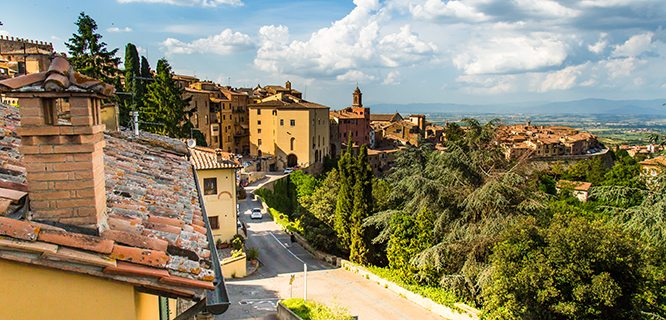
Coastal Tuscany adds another layer of variety. Villas in regions such as Maremma allow travelers to combine countryside exploration with beach access. Days can begin in medieval towns or nature reserves and end by the sea, all while maintaining the privacy and space of a villa setting.
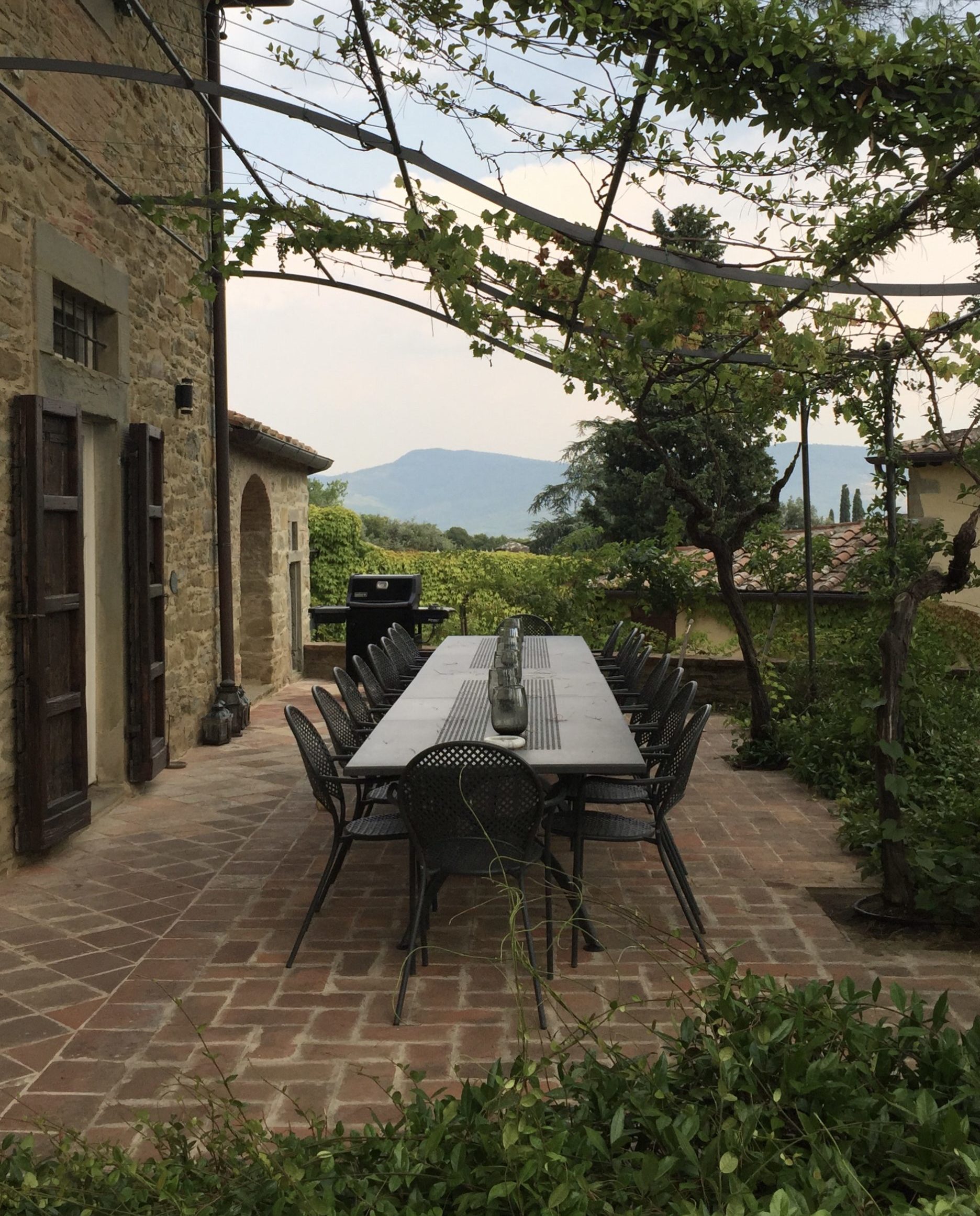
One of the most valuable aspects of sightseeing villas is how they influence daily routines. Travel becomes slower and more intentional. Local markets, regional cooking, outdoor dining, and shared meals become highlights rather than afterthoughts. Many villas offer optional services such as private chefs, cooking classes, wine tastings, and guided excursions, turning the villa into a cultural hub rather than simply a place to sleep.

Staying in a villa also opens access to places that most tourists never experience. Small villages, countryside chapels, seasonal festivals, and family-run trattorias are often just minutes away. Local villa managers and hosts frequently provide recommendations that go far beyond guidebooks, creating a deeper and more personal connection to the region.
For families and groups, sightseeing villas are especially well suited. Shared living spaces encourage togetherness, flexible schedules allow for both exploration and rest, and private outdoor areas give everyone room to relax. Evenings naturally become social gatherings rather than rushed hotel routines.
Seasonality plays an important role as well. Spring brings fresh greenery and wildflowers, summer offers long days and vibrant festivals, autumn highlights harvest season and warm tones across the landscape, and winter delivers quiet countryside, misty mornings, and cozy evenings by the fire.
Ultimately, sightseeing villas in Tuscany transform travel into something lived rather than observed. The villa becomes a place where history, landscape, food, and daily life intersect. Instead of moving constantly, travelers settle in, explore deeply, and leave with memories that feel authentic, personal, and lasting.
Frequently Asked Questions
What makes a sightseeing villa different from staying in a hotel in Tuscany?
A sightseeing villa offers privacy, space, and immersion in the countryside that hotels cannot provide. Villas allow travelers to experience daily Tuscan life while still being within driving distance of major cultural attractions.
Are sightseeing villas suitable for first-time visitors to Tuscany?
Yes. Villas are ideal for first-time visitors because they provide a central base for exploring multiple towns and regions while offering a peaceful place to return to each day.
How far are most Tuscan villas from major sightseeing destinations?
Most villas are located within 20 to 60 minutes of major attractions such as Florence, Siena, or well-known wine regions, with many smaller villages even closer.
Do sightseeing villas include additional services like chefs or guided tours?
Many villas offer optional services such as private chefs, cooking classes, wine tastings, transportation, and guided sightseeing tours to enhance the overall experience.
What is the best time of year to book a sightseeing villa in Tuscany?
Spring and autumn are considered the best seasons due to mild weather, fewer crowds, and scenic landscapes. Summer is popular for pools and festivals, while winter offers tranquility and lower visitor numbers.
